May 13, 2026
Buying a fixer-upper can be an exciting way to step into homeownership while creating a space that better fits your goals, style, and budget. A property that needs work often comes with a lower purchase price, more room for customization, and the chance to build value over time. For buyers who are willing to take on improvements, these homes can open the door to meaningful financial and personal rewards.
At the same time, success with a fixer-upper often depends on making smart choices about the work that needs to be done. While some cosmetic updates may feel manageable, larger repairs usually call for experienced home contractors who know how to fix the home safely and correctly. From budgeting to planning and long-term value, this article explains why a fixer-upper can be a strong investment and why hiring professionals can make that investment much more worthwhile.
1. Cost Savings on Initial Purchase
1.1 Lower Purchase Price
One of the biggest reasons buyers consider a fixer-upper is the lower upfront cost. Homes that need repairs or updates are typically priced below comparable move-in-ready properties, which can make them more accessible for buyers trying to stay within budget. That lower price point may also leave room for renovation costs, giving you a chance to improve the property over time instead of paying a premium from the start.
Still, it is important to look beyond the sale price and think about what it will take to make the home functional and comfortable. Working with qualified home contractors can help buyers understand which repairs are cosmetic and which ones should be handled right away. That kind of guidance keeps the purchase grounded in reality and helps protect the investment from the beginning.
1.2 Negotiation Leverage
A fixer-upper can also give buyers more negotiating power. Sellers of homes that need substantial work are often more motivated to close, which can create opportunities for price reductions or concessions. If inspections reveal major issues, buyers may be able to use those findings to negotiate a better deal and free up additional funds for repairs.
This stage is another point where expert input matters. When buyers have reliable repair estimates from professionals, they can negotiate with more confidence and make better decisions about what the home is really worth. Hiring the right people to evaluate the project can make a major difference before any work even begins.
1.3 Reduced Competition from Other Buyers
Fixer-uppers often attract fewer buyers than turnkey homes, which can make the buying process less stressful. Many people want a home that is ready to move into right away, so properties that need visible repairs are often passed over. That reduced competition can give buyers more time to think, plan, and make an offer without the same level of pressure found in hotter segments of the market.
That extra breathing room can be useful when evaluating what the property needs and whether it is worth the effort. Instead of rushing into a purchase, buyers can take the time to speak with inspectors and home contractors who can explain what repairs are realistic, what costs may come up later, and how to approach the work in a way that protects the home.
1.4 Potential for Instant Equity Growth
One of the most appealing benefits of a fixer-upper is the chance to build equity through improvements. When a property is purchased below market value and upgraded thoughtfully, its value may rise faster than a buyer would see with a home that was already fully updated. That added equity can become a financial advantage if the homeowner later refinances, sells, or borrows against the property.
Of course, equity growth depends on the quality of the improvements. Poor workmanship can hold a property back, while well-executed repairs can strengthen value and appeal. That is why so many buyers benefit from bringing in experienced professionals who know how to fix the home in a way that supports both function and resale potential.
1.5 Savings on Taxes and Fees
Because fixer-uppers usually sell for less, buyers may also spend less on certain closing costs and property-related fees tied to the purchase price. Lower property taxes at the time of purchase can make the home more affordable in the early stages of ownership, which may help free up funds for repairs and upgrades.
Those early savings can be useful, but they should be treated as part of a broader plan rather than a reason to cut corners. Buyers often get more value from a fixer-upper when they use those savings wisely by hiring professionals for structural, electrical, plumbing, roofing, or other major repairs that need a skilled hand.
2. Customization Opportunities
2.1 Personalized Design Choices
A fixer-upper gives buyers the chance to create a home that reflects their own taste instead of settling for someone else’s choices. From flooring and cabinetry to paint colors and fixtures, the home can be shaped around the way the owner wants to live. That level of personalization is hard to match in a home that has already been fully updated by someone else.
Even when the vision is personal, the execution often benefits from professional help. Experienced home contractors can take those ideas and turn them into practical improvements that fit the layout, budget, and structure of the house. Their support helps homeowners avoid mistakes that can slow the project down or create added expenses later.
2.2 Flexibility to Modernize the Home
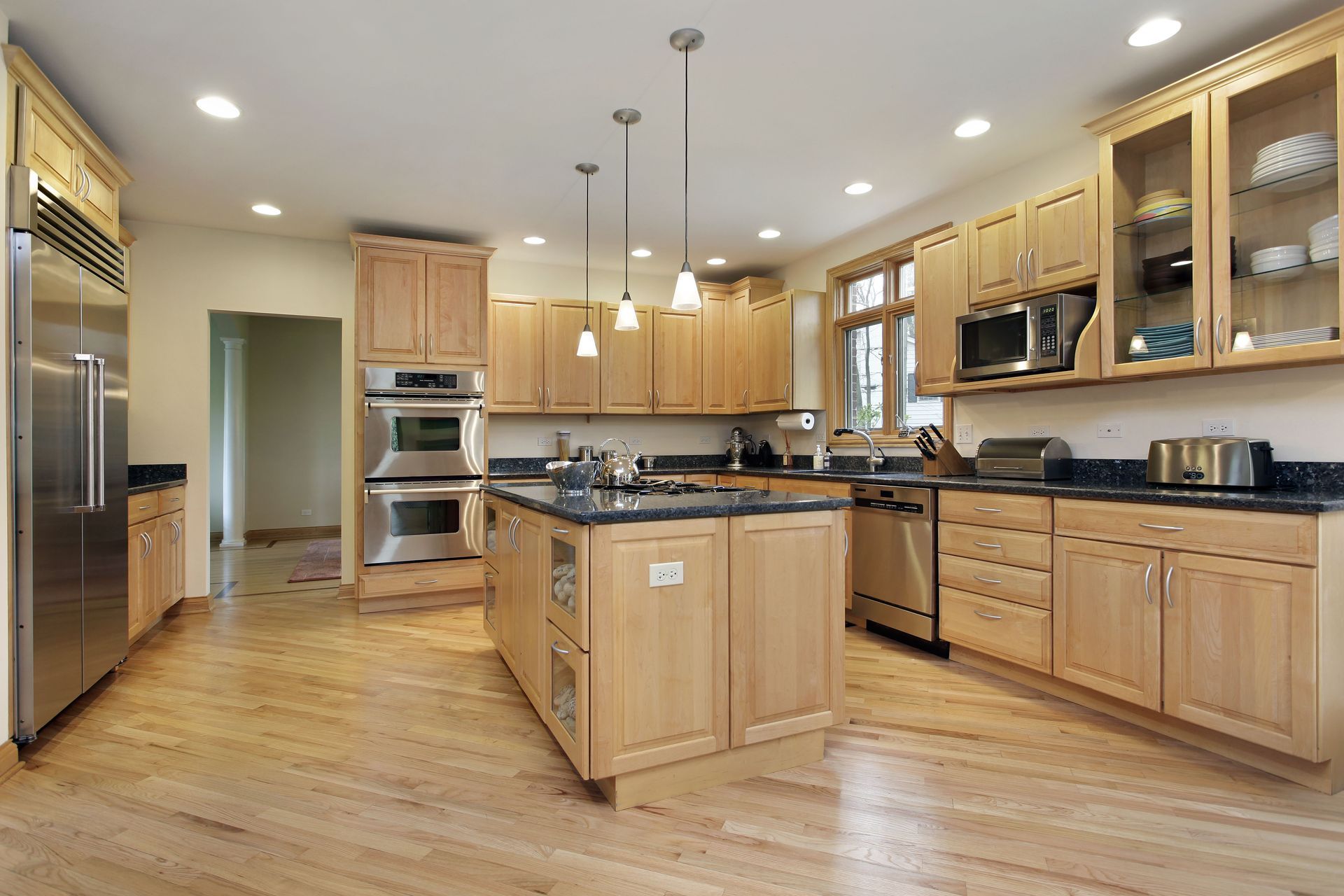
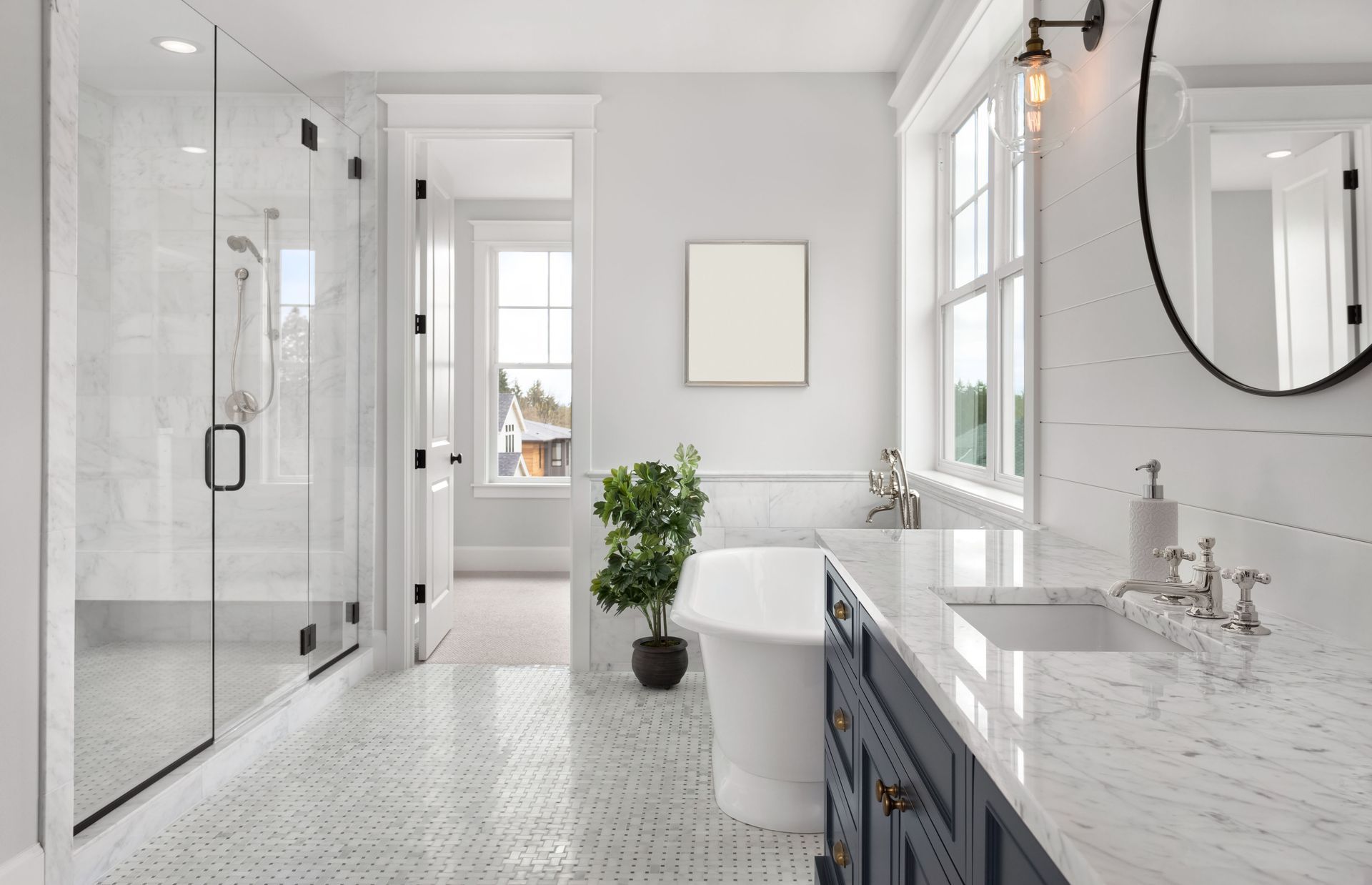
Older homes often come with dated layouts, worn finishes, and aging systems, but they can also provide a great foundation for modernization. According to the National Association for Realtors, 46% of home buyers are less willing to compromise on the condition of the home when purchasing. A fixer-upper can make it possible to open up living spaces, improve storage, update kitchens and bathrooms, and bring the home more in line with how people live today. These changes can improve daily comfort while also increasing long-term value.
Some updates may look simple on the surface but involve important behind-the-scenes work. That is why it is wise to rely on home contractors when modernizing a property. They can help make the home safer, more efficient, and more durable while keeping the project moving in the right direction.
2.3 Opportunities to Repurpose Space
Many fixer-uppers have underused rooms or awkward spaces that can be transformed into something far more useful. An unfinished basement may become a family room, a spare room might turn into a home office, or an older layout could be reworked to create better flow. These changes can make the property more enjoyable to live in and better suited to future needs.
That kind of transformation works best when it is done with a clear plan. Buyers who hire professionals to fix the home are often in a stronger position to repurpose spaces in a way that is both attractive and structurally sound. A thoughtful renovation can create a home that feels more intentional and much more livable.
A fixer-upper can offer lower purchase costs, more flexibility, stronger long-term value, and the satisfaction of creating a home that feels truly personal. At the same time, the best results usually come from knowing when to bring in experienced help. Whether the goal is to improve safety, protect value, modernize the space, or avoid costly mistakes, hiring home contractors is often one of the smartest parts of the process. Buyers who keep coming back to the importance of hiring professionals to fix the home are usually better positioned to turn an older property into a safer, stronger, and more rewarding place to live.
Contact Giacopello and Sons LLC Building Remodeling Excavation today for more.